
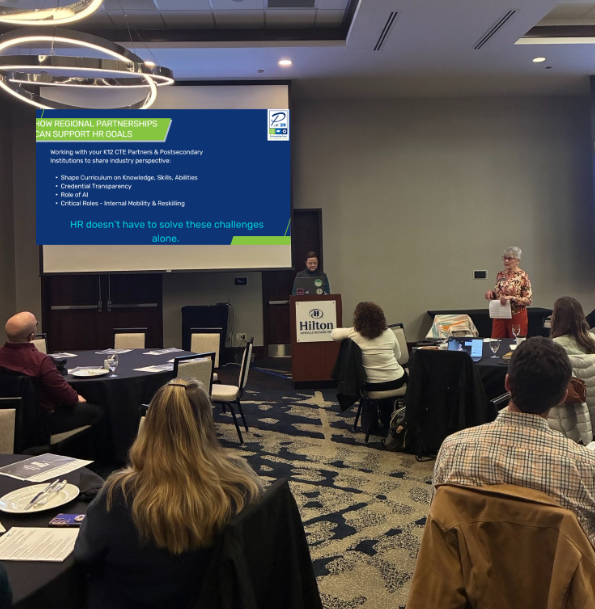
The Land of Sky P20 Council recently presented From Recovery to Readiness: Western North Carolina’s Workforce Outlook to the Western North Carolina Human Resources Association, with Executive Director Emily Nicholson sharing regional workforce data and trends relevant to HR professionals and employers. The presentation focused on how Western North Carolina’s labor market is shifting following Hurricane Helene and what those changes mean for workforce planning in the years ahead.
Drawing on state and regional labor market data, the presentation highlighted continued job growth alongside relatively flat labor force participation. This dynamic raises questions about whether the region is keeping pace with the increasing number of jobs and underscores ongoing workforce supply challenges for employers.
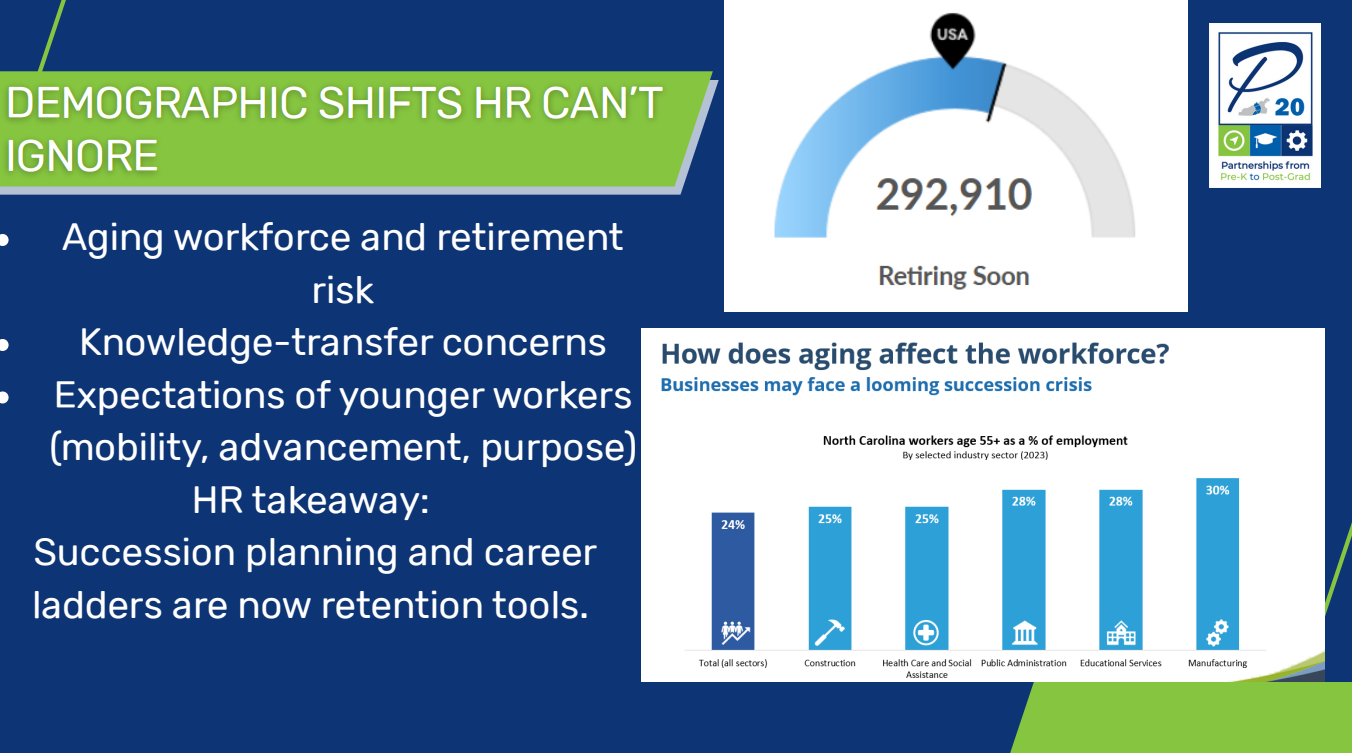
Key demographic shifts were also addressed, including an aging workforce, retirement risk, and knowledge-transfer concerns. The session emphasized that succession planning and clearly defined career ladders are now essential retention tools, particularly as experienced workers approach retirement. Migration and commuting patterns were discussed as additional factors influencing talent availability across the region.
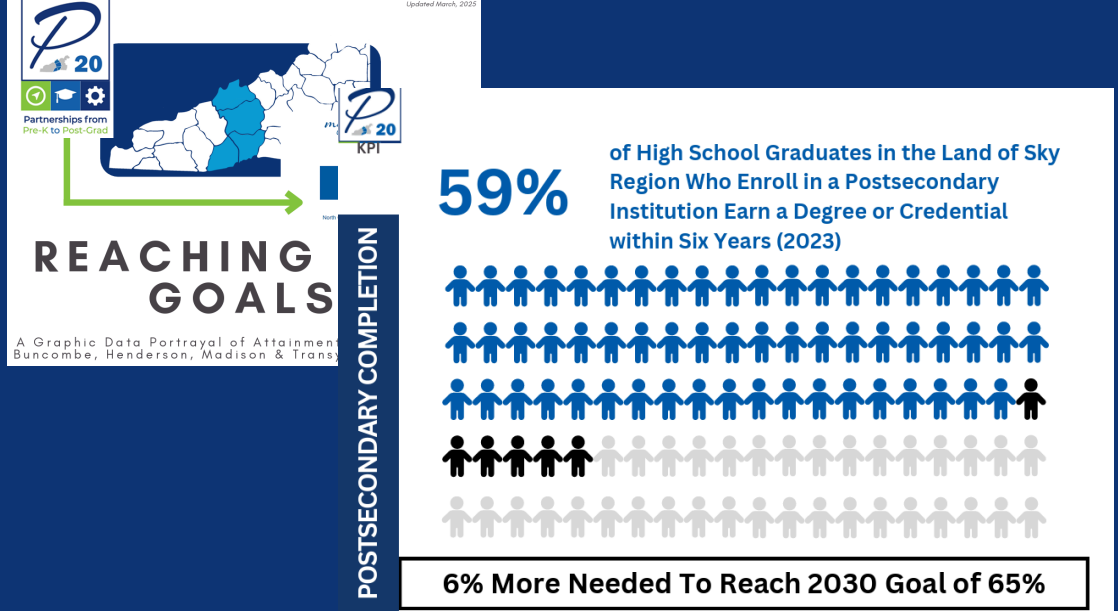
The presentation examined the current and projected talent pipeline through 2030, showing modest changes in educational attainment and continued growth in short-term credentials and non-degree pathways. A notable takeaway for employers was that many job postings do not clearly list credential requirements, contributing to misalignment between available talent and open positions. As shared during the session, hiring challenges are often pipeline issues rather than recruiting failures.
Automation, AI, and productivity pressures were another focus area, with discussion centered on roles being augmented rather than eliminated. The growing importance of digital literacy, cross-functional skills, and change management points to the need for upskilling and thoughtful job redesign as part of long-term workforce strategies.
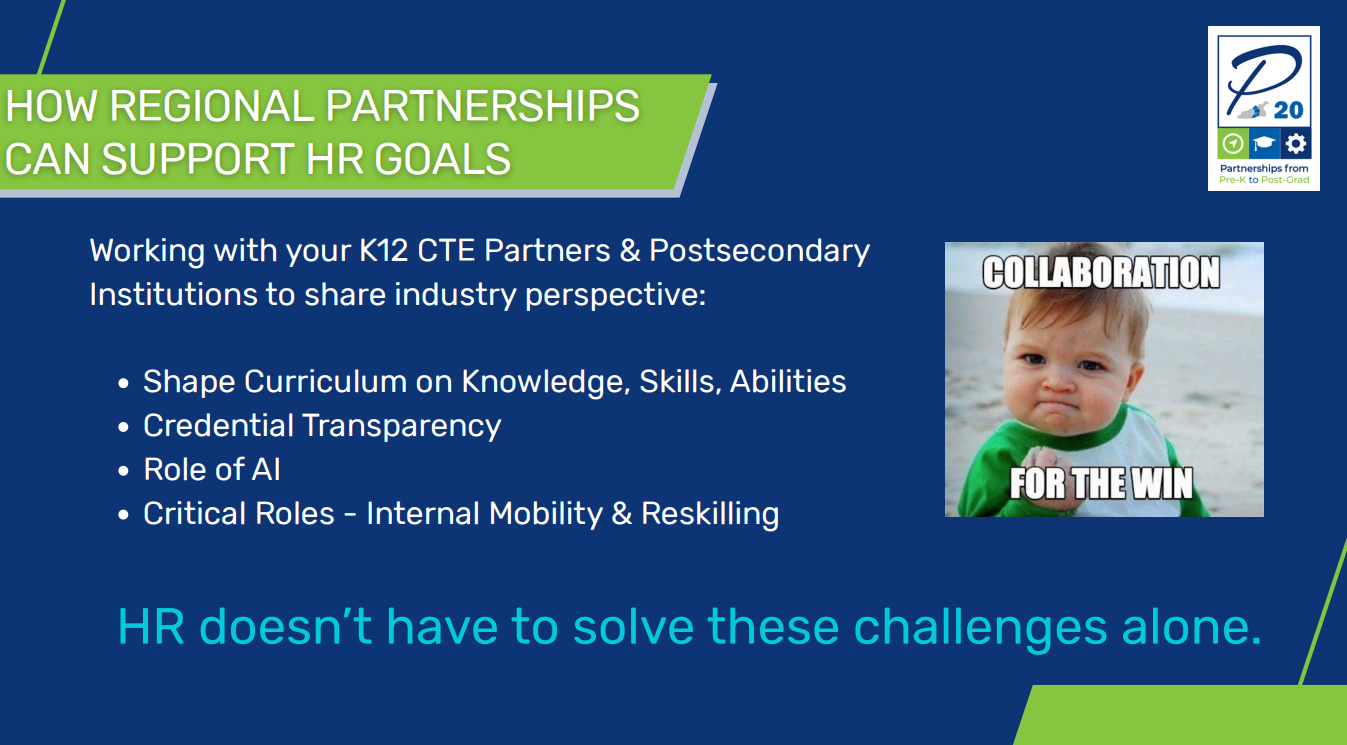
Throughout the session, Emily reinforced the value of regional partnerships among employers, K–12 systems, community colleges, universities, and workforce organizations. These collaborations, supported by shared data and aligned strategies, are critical to strengthening talent pipelines and helping Western North Carolina move from recovery toward long-term workforce readiness.